Here’s a timeline that should make every early-stage biotech founder sit up straight.
2023: CrossBridge Bio is founded out of UTHealth Houston, built on research from co-founders Dr. Kyoji Tsuchikama and Dr. Zhiqiang An. The company enters TMC Innovation’s Accelerator for Cancer Therapeutics.
November 2024: $10 million seed round, led by TMC Venture Fund and CE-Ventures.
Somewhere in between: $17.6 million in non-dilutive CPRIT grants to fund tox studies and manufacturing scale-up.
2025: CrossBridge wins “Best Drug Developer” at the World ADC Awards. Their lead program presentation becomes the most attended non-plenary session in the event’s history.
April 2026: Eli Lilly agrees to acquire the company. Before an IND has even been filed.
CrossBridge Bio funding trajectory
Seed Round
TMC Venture Fund
CPRIT Grants
Non-dilutive
Acquisition
April 2026
Terms undisclosed
~$28.4M total raised before acquisition
So what did Lilly see?
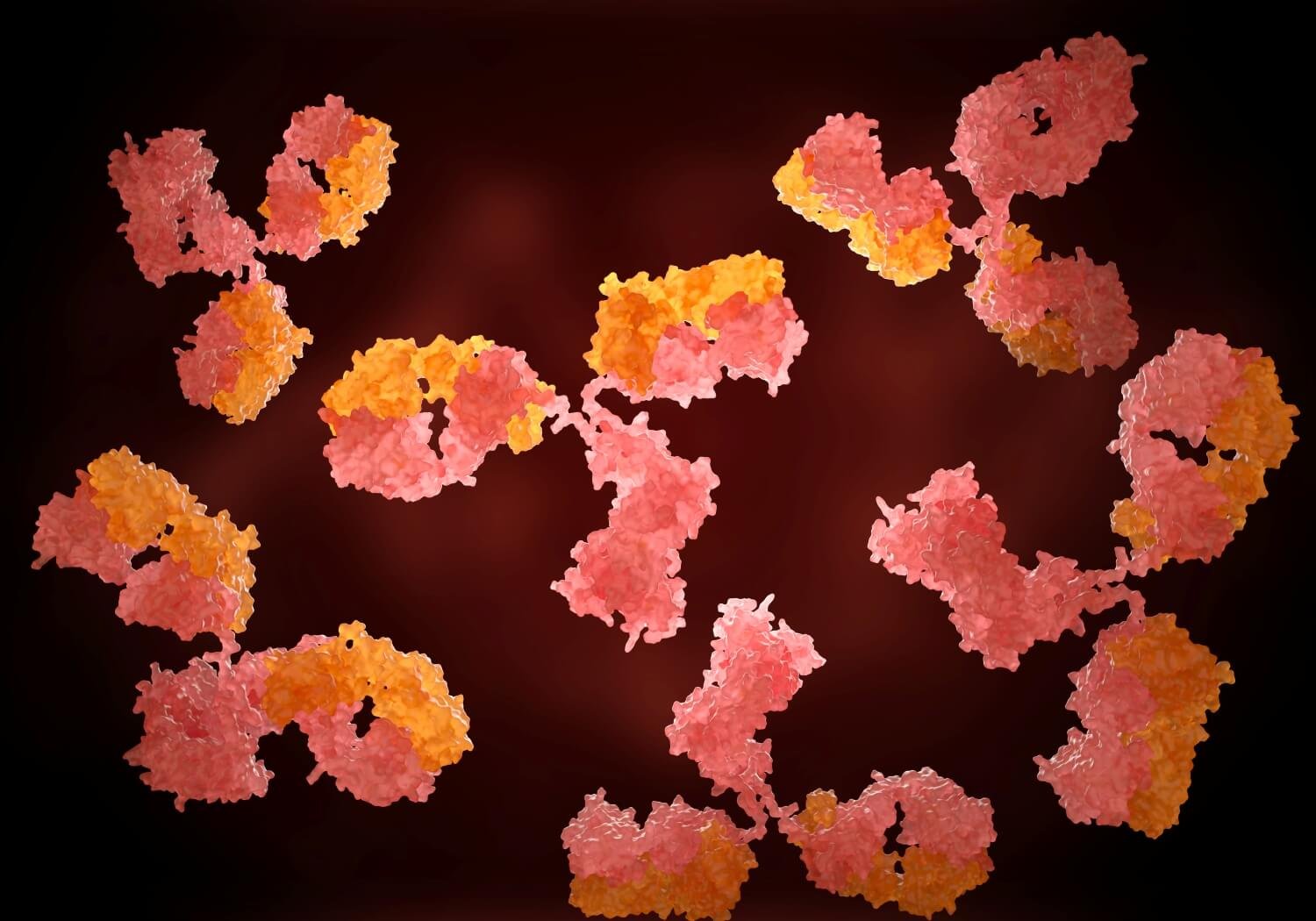
The answer is CBB-120, a TROP2-targeting ADC that carries two payloads: a topoisomerase I inhibitor (the workhorse in most current TROP2 ADCs like Trodelvy and Dato-DXd) paired with an ATR inhibitor that blocks one of the cell’s primary DNA repair pathways.
You damage the DNA and cut off the escape route in the same molecule.
Normally, this type of “1-2 punch” would be wildly toxic. But if you slap the synergistic combo onto a tumor-targeting antibody, suddenly, that therapeutic window gets real wide.
Wide enough for clinical viability?
Well, the preclinical data was strong enough to make Lilly move before seeing any human data.
The Biotech Voyager
Early-stage biotech signals, personalized.
The signals that matter to you — contextualized and written directly to you — so you cut through the noise and immediately understand why it matters.
CBB-120 outperformed Dato-DXd across multiple cell lines, showed activity in TOP1-resistant models where single-payload ADCs failed, and delivered complete responses lasting up to four months in xenograft models. Non-human primate tox was clean.
This is the third major dual-payload ADC validation in recent weeks. Gilead paid $5 billion for Tubulis. CanWell Pharma got FDA clearance for its dual-payload CAN016. Now Lilly is acquiring an entire company for the platform, before it even hits the clinic.
Now this should get you salivating: CrossBridge isn’t the only company developing dual-payload ADCs…we got a whole list for you.
For the early-stage ADC crowd, the signal here is loud: if you’re building single-payload ADCs in 2026, you might already be building last generation’s drug.
The Biotech Voyager Podcast
Deep dives on the signals shaping early-stage biotech.