For years, the ALK inhibitor story in lung cancer has followed the same script: new drug, impressive response, inevitable resistance, CNS progression, repeat. Crizotinib gave way to alectinib, alectinib to lorlatinib, and each generation bought time but never solved the fundamental problem — you’re blocking a protein that’s still there, still capable of mutating its way around your drug.
TRIANA Biomedicines just dosed the first patient in a Phase 1/2 trial of TRI-611, and the pitch is elegantly simple: stop inhibiting ALK. Destroy it.
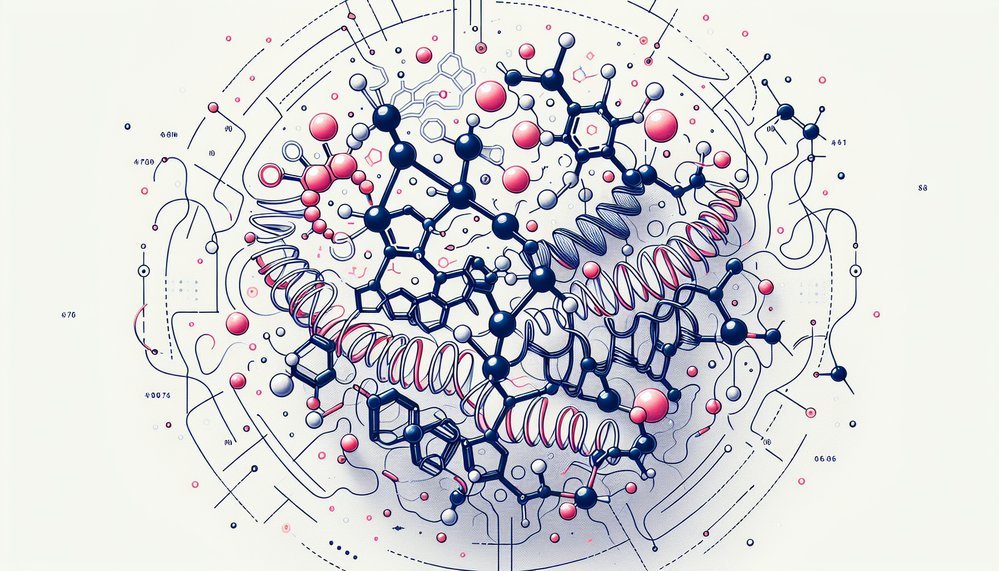
TRI-611 is an oral, brain-penetrant molecular glue degrader. Instead of sitting on the ALK fusion protein and hoping it doesn’t find a workaround, TRI-611 recruits the cell’s own garbage disposal system — the ubiquitin-proteasome pathway — to physically eliminate the protein. No target, no resistance. At least, that’s the thesis.
And the brain-penetrant part? That’s not a marketing flourish. CNS progression is the Achilles’ heel of the entire ALK inhibitor class. Patients respond beautifully below the neck, then relapse in the brain. TRI-611 was specifically engineered to cross the blood-brain barrier, going after the exact clinical gap that keeps oncologists up at night.
ALK Inhibitors vs. Molecular Glue Degraders
Traditional ALK Inhibitors
• Block protein activity
• Protein remains intact
• Resistance mutations accumulate
TRI-611 (Molecular Glue)
• Eliminates protein entirely
• Brain-penetrant design
• No target = harder to resist
Mechanism comparison — not clinical outcome data
What makes this moment matter beyond TRIANA? The molecular glue degrader field has been the darling of platform decks and Series A pitches for years — but clinical data has been thin. Monte Rosa is pushing MRT-2359 into a Phase 2 signal-confirming trial in prostate cancer. Laigo Bio just raised €17M seed for SureTACs targeting membrane proteins. Ternary Therapeutics raised a £3.5M seed for AI-driven glue discovery. The capital is flowing, but the clinical proof has been lagging.
TRIANA isn’t some scrappy startup hoping for the best. They raised a $110M Series A, a $120M Series B backed by Regeneron Ventures and Bessemer, and landed a Pfizer collaboration worth over $1.5 billion in potential milestones. When Pfizer writes you a $49M upfront check to lead discovery across multiple targets, the platform has been validated at the highest level. Now TRI-611 is the first test of whether that platform science translates into a human being.
The FDA seems to agree this matters — they’ve already granted Fast Track designation for TRI-611 in ALK-positive NSCLC patients who’ve progressed on standard TKIs. That’s two regulatory signals in one month: first patient dosed and Fast Track. For a modality that’s been all promise and no clinic, this is the moment molecular glues either become real…or don’t.
The Biotech Voyager
Early-stage biotech signals, personalized.
The signals that matter to you — contextualized and written directly to you — so you cut through the noise and immediately understand why it matters.